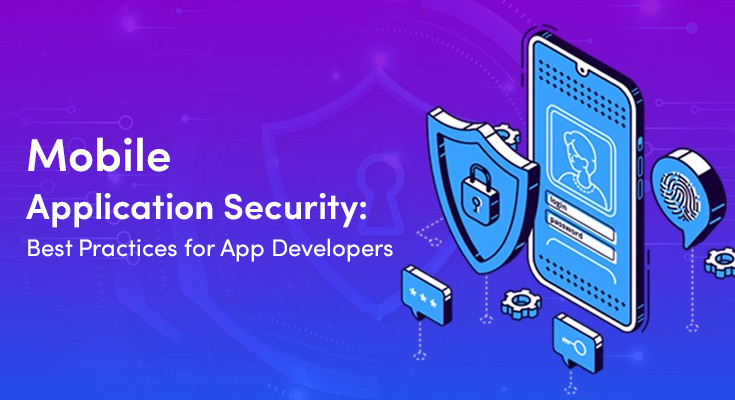
There is a lot at stake when it comes to security in mobile app development. It’s not just about losing money; it’s about losing the trust of your customers—sometimes for a lifetime. Once a data breach occurs and customer information is leaked, users become hesitant to share their personal information.
From the very beginning of app development, security should be treated as a top priority. Many companies have suffered losses worth millions due to past data breaches. Stolen information can end up in the hands of criminals on the dark web who seek users’ personal data.
Data breaches can make customers’ lives extremely vulnerable. Sensitive information such as usernames, home addresses, ages, account numbers, and even precise locations can be exposed. Therefore, protecting consumers should always be a developer’s primary concern. If you want a secure and reliable app, hiring experienced mobile app developers is the way to go.
Here is a list of the 9 ways in which developers can protect their user and clients:
9 Ways Developers Can Protect Their Users and Clients
1. Data Encryption:

The first and most important step to secure data is data encryption. Encryption scrambles data in such a way that it has no meaningful value to anyone who does not have the key to restore it. Thus, even if your data falls into the hands of a criminal, it would not be readable or usable.
Encryption is so strong that even agencies like the FBI request permission from Apple and WhatsApp to access data encrypted by their software. If they cannot access it, no hacker likely can.
Check Also:- AI-Powered Mobile Apps: Shaping the Next Generation of User Engagement
2. Apply Authorized APIs:

Experts recommend that APIs should be centrally authorized to ensure maximum security. A developer can make easy calls to an API if the code locally stores authorization information, but this creates a loophole that hackers can exploit. If APIs are loosely coded and unauthorized, you might unintentionally provide hackers access to sensitive data.
3. Deploy Technologies to Detect Code Tampering:

Technologies exist that can detect malicious behavior in code. If the code is altered in any way, these technologies can prevent it from functioning entirely. They trigger alerts that inform the developer about potential malicious activity and prompt corrective action.
4. Test Frequently:
Maintaining app security is an ongoing task. Regular testing is essential, and any detected vulnerabilities should be fixed immediately. These fixes should be included in the next update as soon as possible.
5. Use the Best Cryptography Tools:

Encryption is only effective if keys are managed properly. Never hardcode keys or store them locally on the device. Always use secure containers for key storage. Modern security standards require the use of trusted APIs such as SHA-256 for hashing and 256-bit AES encryption. Studies have shown that older cryptographic protocols are no longer suitable for modern data security needs.
6. Deploy Session Handlers:
Developers should use tokens instead of device identifiers for session handling, as tokens can be revoked at any time. Mobile sessions tend to last longer than desktop sessions. Tokens also enhance security in case of a lost or stolen device. Features like remote wiping and remote log-off can prevent unauthorized access to sensitive data.
7. Write Secure Code:
Writing secure code is crucial. Vulnerabilities and bugs are the primary entry points for hackers. Malicious actors can reverse-engineer compromised code and insert harmful data. Millions of devices are affected by malicious code at any given time. Write code in a way that minimizes potential vulnerabilities and ensures it can be easily updated when issues are discovered.
8. Be Cautious with Third-Party Libraries:
Thoroughly evaluate any third-party library before using it. While some libraries can be extremely useful, they may also pose significant security risks. Certain libraries are known to have vulnerabilities, so developers should apply strict policy controls and perform comprehensive checks before integration.
9. Encourage High-Level Authentication:
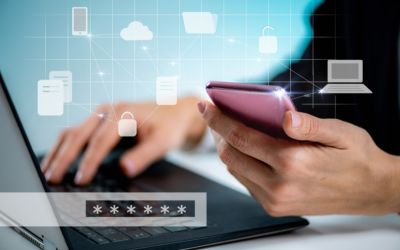
As cybersecurity threats evolve, high-level authentication has become increasingly important for protecting user data. Authentication refers to identifiers and passwords that safeguard consumer information. Developers should encourage users to create strong alphanumeric passwords.
Multi-factor authentication (MFA) is gaining prominence. This method requires users to verify credentials using a combination of dynamic OTPs and static passwords, enhancing security significantly.
By understanding these practices and keeping up with current cybersecurity trends, developers can create code that is less vulnerable. App security directly impacts the trust and safety of your users. Never rush coding—always consider potential vulnerabilities and take steps to prevent them.
Sometimes, improving security might lead to a little extra investment in terms of time and money but it is the basic necessity of any app and should not be avoided under any circumstances. Continuous improvement in code and making bug fixes is an important part of mobile application development security.